

BATTERY STEELE
Discover history, wildlife, and the wetlands protecting Peaks Island's back shore


HOW TO GET THERE
From Trott Littlejohn: 0.3 miles
7 min walk | 2 min drive/bike ride
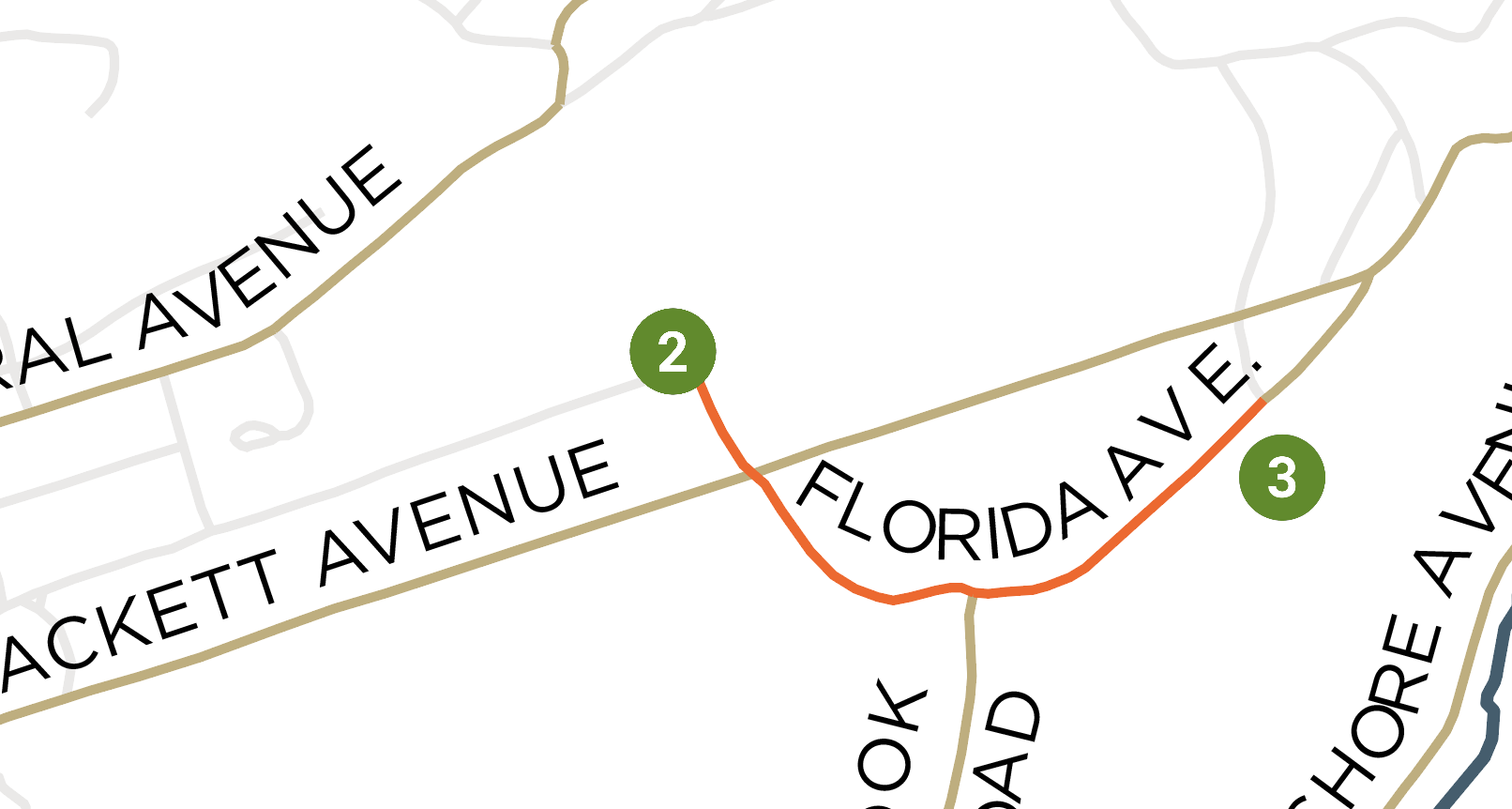
Reverse back to intersection of Florida and Brackett. Walk down Florida as it curves around to the left. You will see paths that take you to Battery Steele before the road connects with Brackett again.

What’s the deal with Battery Steele?
As one of the largest remaining World War II fortifications in New England, Battery Steele was built to defend Portland Harbor during the war. The surrounding military reservation dramatically reshaped the landscape, and after decades of neglect the site became an informal dumping ground. In 1995, island residents came together to purchase Battery Steele, launching what became the Peaks Island Land Preserve (PILP). Since then, PILP has protected more than 150 acres of open space across the island.
Just downhill from the battery lies an extensive salt marsh. More than beautiful scenery, this wetland provides important wildlife habitat and serves as a natural floodplain, absorbing seawater that increasingly washes over Seashore Avenue during coastal storms.
Plants and Wildlife
The marsh and surrounding forest support one of Peaks Island's richest ecosystems. Salt marsh grasses, cattails, shrubs, and mature woodlands provide food and shelter for migrating birds, waterfowl, amphibians, and mammals. Great blue herons, ospreys, ducks, and songbirds are common sights, while beavers, mink, deer, raccoons, and wild turkeys also call this area home. The wetlands serve as an important nursery for countless insects and small aquatic organisms that support the island's larger food web.
Today’s Challenges
Stronger storms and rising seas increasingly push water across Seashore Avenue and into the marsh. Changes to water flow and coastal flooding will affect both the habitat and nearby roads.
Islanders in Action
For more than 30 years, PILP and volunteers have protected over 150 acres of open space and continue efforts to manage invasive plants and preserve habitat. Visit the PILP website to learn more.

BATTERY STEELE NATURALIST MISSIONS
Look and listen for wildlife. How many different birds can you see or hear in one minute?
This place tells a story of how people can both harm and protect the natural environment. What's one special place in your community that you think is worth protecting?
Wetlands act like giant sponges. Why do you think that might be important?
What You Can Do
Stay on marked trails
Carry out everything you bring in
Observe wildlife from a distance
Support local conservation efforts by donating and/or volunteering
Additional Resources
SHARE YOUR FEEDBACK
NATURALIST MISSONS
Healthy soil is full of life. Can you find signs that the soil here is helping plants grow?
Explore the area. Can you find a patch where one kind of plant has taken over? Why might that be a problem for birds, insects, or other plants?
Think about the breakfast you ate today. What parts could become compost?
NEXT LOCATION