

TROTT LITTLEJOHN PARK
Explore native gardens, pollinator habitat, and community-led ecological restoration


HOW TO GET THERE
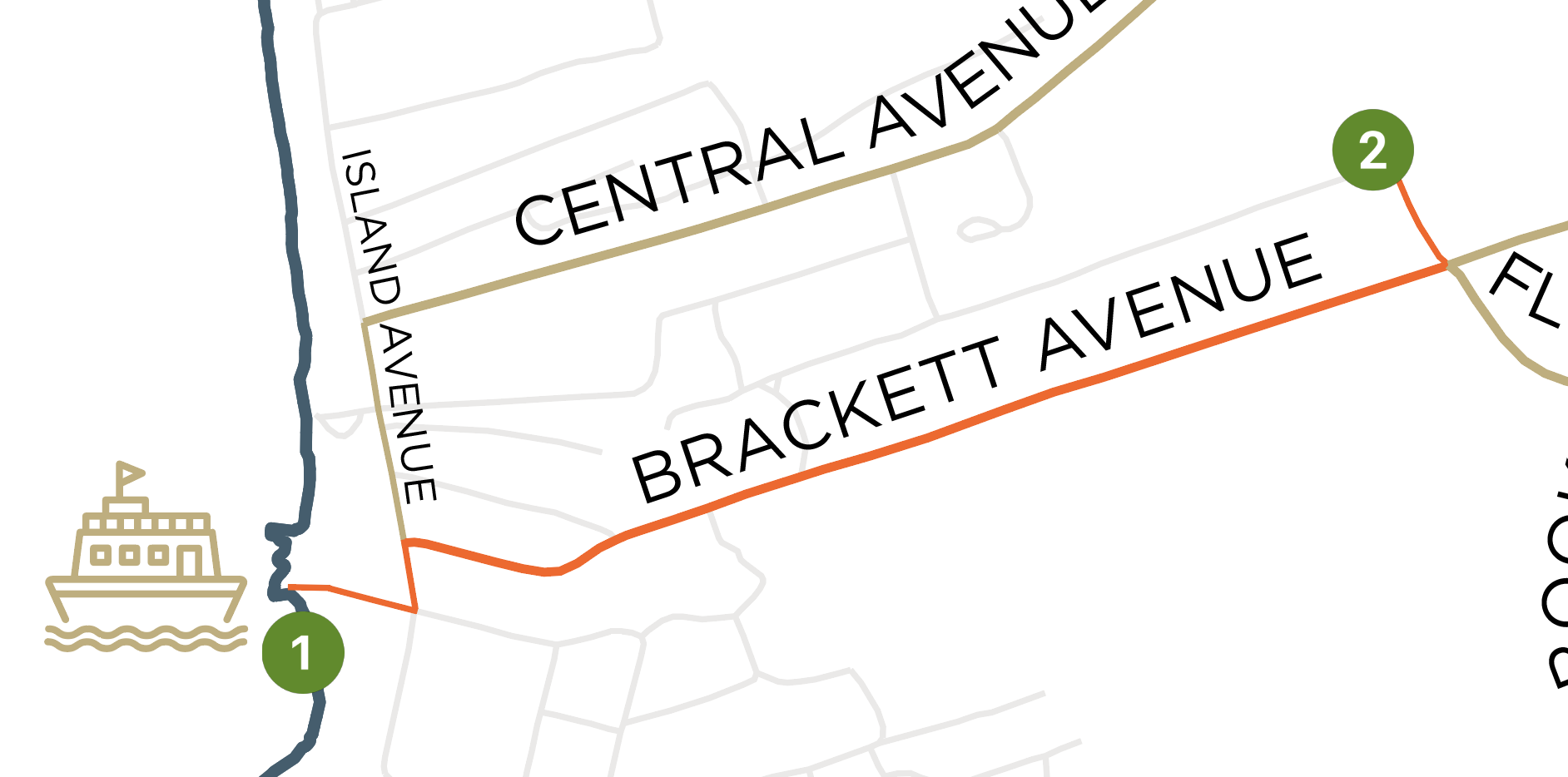
From ferry landing = 0.8 miles
18 min walk | 5 min drive/bike ride
From the road that connects to the ferry, turn left on Island Ave. Make a right on Brackett and continue until you get to a large intersection. Make a left on Florida. Trott Littlejohn is at the top of the hill. Please be respectful of our neighbors along the way.
What makes this place special?
Trott Littlejohn tells the story of how a community can restore an ecologically degraded landscape. Over the last 300 years, this land has been farmland, woodland, part of the Army's World War II reservation, and later a Department of Public Works staging area known locally as the "Gravel Pit," where materials for major sewer and road projects were stored. Years of heavy use left the land compacted, degraded, and overgrown with invasive plants.
The Peaks Island Community Garden was established in 2010 and it’s now part of Portland's city-wide community gardens. More recently, Friends of Trott Littlejohn was formed to create an official park around it, which includes trail connections, outdoor fitness equipment, an island-wide composting project, and Vinnie's Garden, where volunteers are restoring native habitat by replacing invasive knotweed with native plants. The park continues to evolve through community stewardship, with new restoration and sustainability projects underway.
Plants and Wildlife
Pollinator gardens filled with native wildflowers, grasses, and shrubs now support bees, butterflies, birds, and other beneficial insects. Community efforts to replace invasive plants with native species are creating healthier habitat while demonstrating how restored landscapes can increase biodiversity and strengthen local ecosystems. You might also spot red-tailed hawks, turkeys, deer, and chipmunks. Listen for the cheerful songs of American goldfinches, black-capped chickadees, song sparrows, and white-throated sparrows.
Today's Challenges
The landscape still bears the scars of decades of disturbance. Much of the upper field was built over regraded gravel, leaving poor soils and limited biodiversity. Restoring healthy habitat requires rebuilding the soil, removing invasive species, and establishing native plants that can thrive despite deer foraging and changing climate conditions.
Islanders in Action
Friends of Trott Littlejohn, PEAT, Island Compost, community gardeners, and volunteers continue transforming the park through native plants and sustainable land management techniques.
Since 2023, Island Compost has diverted over 90 tons of food waste from Peaks Island's waste stream! It has all been composted by Garbage to Garden in Portland and now Island Compost is creating their own on-island composting facility at Trott Littlejohn, which will help Peaks be even more sustainable and provide the island with an abundant supply of nutrient-rich compost.

TROTT LITTLEJOHN
NATURALIST MISSONS
Healthy soil is full of life. Can you find signs that the soil here is helping plants grow?
Explore the area. Can you find a patch where one kind of plant has taken over? Why might that be a problem for birds, insects, or other plants?
Think about the breakfast you ate today. What parts could become compost?
What You Can Do
Explore the gardens and trails
Refrain from driving motorized vehicles in the park
Compost food waste using the island’s two drop-off points (TLJ and the school)
Support community reclamation projects
Plant native species at home
SHARE YOUR FEEDBACK
NEXT LOCATION

Healthy soil is full of life. Can you find signs that the soil here is helping plants grow?
Explore the area. Can you find a patch where one kind of plant has taken over? Why might that be a problem for birds, insects, or other plants?
Think about the breakfast you ate today. What parts could become compost?
