
FERRY BEACH
See how islanders are restoring a beach threatened by erosion and rising seas


HOW TO GET THERE
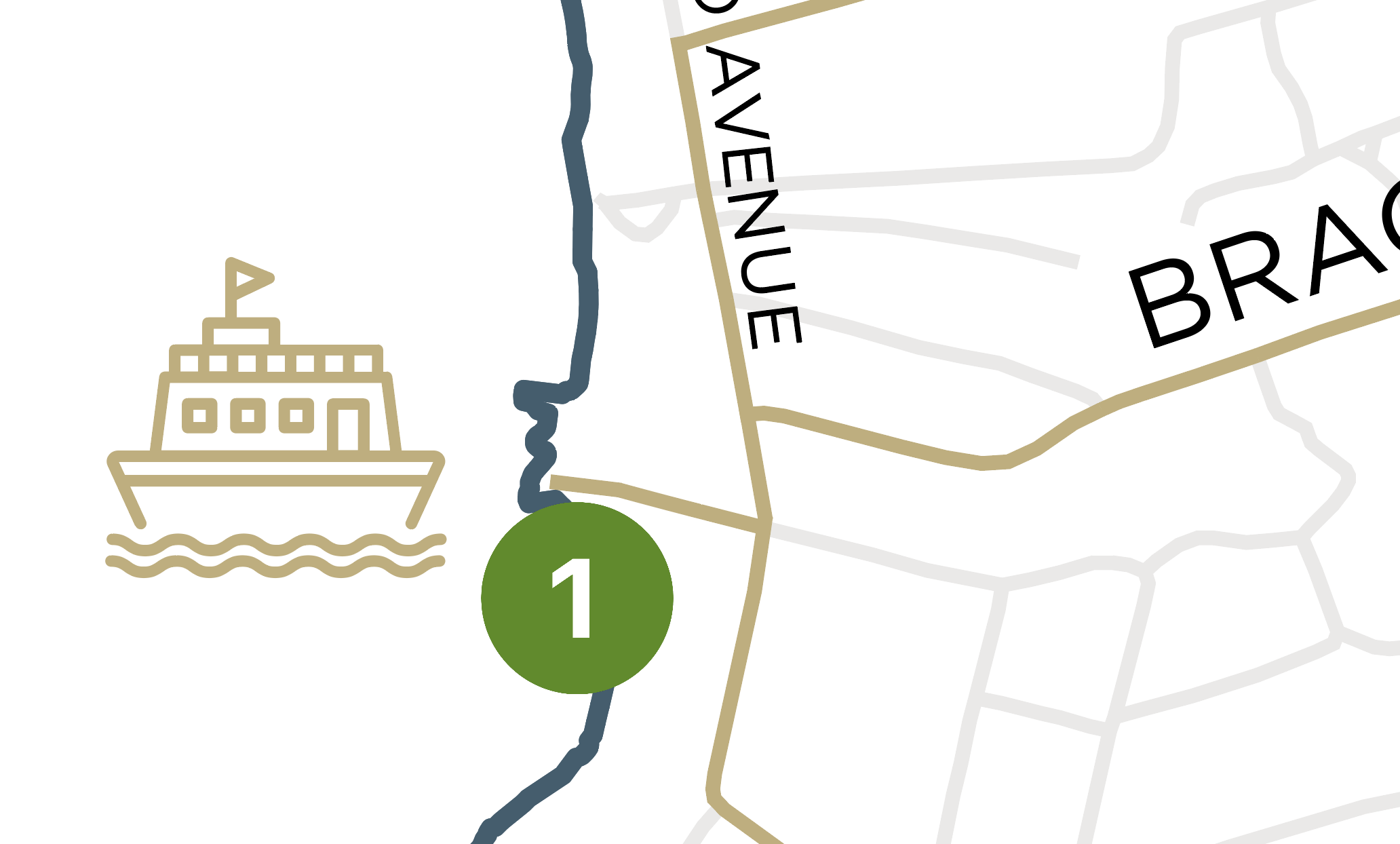
From the ferry, walk to the right and follow the sidewalk down to the wooden stairs to the beach. Avoid taking the steep footpath to prevent further erosion.
What makes this place special?
Ferry Beach is the first natural space many people see when arriving to Peaks Island. Over the generations, the beach has served multiple purposes. Today, kayakers, small boats, swimmers, and beachgoers share the shoreline with wildlife habitats that support nearby wetlands. It’s also an important feeding area for waterfowl and wading birds.
Plants and Wildlife
Native dune grasses and other salt-tolerant plants help hold the beach in place while providing food and shelter for wildlife. Native plants are plants that naturally belong here. Over thousands of years, they've adapted to the local climate and help support birds, insects, and other wildlife. The beach and nearby wetlands support waterfowl, shorebirds, crabs, shellfish, and other coastal species.
Today's Challenges
Ferry Beach is one of the island's most visible examples of coastal erosion. Winter storms and rising seas are wearing away the bank, while runoff from nearby roads and footpaths accelerates erosion from above. Invasive plants such as Japanese knotweed further complicate restoration efforts by displacing the native vegetation that helps stabilize the shoreline. Restoring native plants and reducing invasive species will help protect this shoreline for years to come.
Islanders in Action
Peaks Island Environmental Team (PEAT) and community partners are exploring nature-based solutions identified through the Island Institute's assessment as part of the State of Maine’s OUR SHORE initiative. Recommendations include restoring native vegetation, replacing the informal footpath with planted slopes, installing biodegradable coir logs to reduce erosion, and enhancing dune grasses to strengthen the shoreline over time.

FERRY BEACH
NATURALIST MISSIONS
What birds can you spot on the beach? What do you think they're searching for to eat in the water or on the shoreline?
Investigate the plants growing near the beach. How you think they help protect the shoreline?
Every community has special places that need care. What natural place near your home would you like to help protect?

What You Can Do
Use designated access points
Stay off fragile dunes and vegetation
Pack out trash and fishing lines
Help keep the beach healthy for people, wildlife, and future generations
SHARE YOUR FEEDBACK

NEXT LOCATION